Building EV Infrastructure for Indian Cities
A comprehensive guide on deploying charging networks in urban environments with focus on India unique challenges.
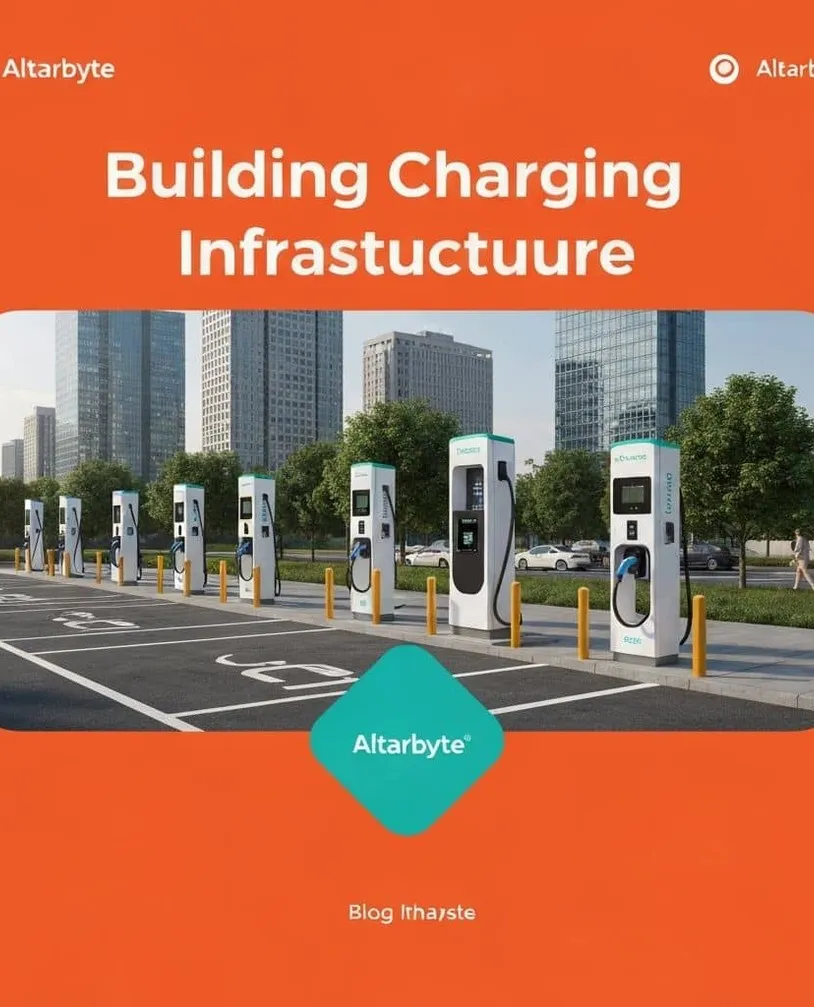
Understanding Urban EV Charging Challenges
Indian cities present unique challenges for EV charging infrastructure. Dense populations, limited parking space, aging electrical grids, and diverse building types require innovative solutions. Unlike Western cities where suburban homes with garages dominate, Indian urban dwellers often rely on public charging, shared parking, or workplace charging.
Strategic Site Selection
The success of an urban charging network depends heavily on site selection. High-traffic locations like shopping malls, office complexes, residential societies, and transit hubs offer the best utilization rates. Altarbyte's data-driven approach analyzes footfall patterns, EV ownership density, and grid capacity to identify optimal charging locations.
Regulatory Compliance in Urban Areas
Urban EV charging projects must navigate a complex web of regulations. Building plan approvals from municipal corporations, electrical safety certifications, DISCOM grid connection permissions, and fire safety clearances are all mandatory. Cities like Hyderabad, Bangalore, and Mumbai have developed specific guidelines for EV charging installations that operators must follow.
Electrical Infrastructure Considerations
Many Indian cities face electrical infrastructure constraints. Upgrading transformers, installing dedicated feeders, and ensuring reliable grid connectivity are often prerequisites for large-scale charging deployments. Altarbyte's EPC team works closely with DISCOMs and municipal authorities to ensure seamless grid integration.
Public vs Private Charging Networks
A balanced urban charging ecosystem requires both public and private charging infrastructure. Public chargers at malls, restaurants, and transit hubs provide essential coverage for residents without dedicated parking. Private chargers at residential societies and workplaces offer convenience and lower operating costs. The most successful cities deploy a mix of both.
Smart City Integration
Smart city initiatives across India present opportunities for integrated EV charging networks. Connected charging stations that communicate with traffic management systems, parking apps, and grid operators can optimize urban mobility. Altarbyte's CMS platform is designed to integrate with smart city ecosystems for intelligent charging management.
Financing and Business Models
Sustainable urban charging networks require viable business models. Options include asset-light models where operators install chargers at third-party locations for a revenue share, or owned-and-operated models for higher margins. Government subsidies under FAME II and state EV policies can offset initial capital costs significantly.
Case Study: Hyderabad Urban Charging Network
Hyderabad has emerged as a leader in urban EV charging infrastructure. With over 200 public charging points across the city and strong government support, the city demonstrates how coordinated efforts between government, private operators, and DISCOMs can create a thriving EV ecosystem. Altarbyte has been a key partner in Hyderabad's charging network expansion.
Looking Ahead
The future of urban EV charging in India is promising. As EV adoption grows and cities develop clearer policies, charging infrastructure will become an integral part of urban planning. The integration of renewable energy, battery storage, and smart grid technologies will make urban charging networks more sustainable and resilient.
Share This Article
Related Articles
Planning an EV Charging Network?
Altarbyte provides end-to-end EPC services for urban charging infrastructure. From site assessment to commissioning, we deliver turnkey solutions.
Compliance & Certification
Altarbyte products and installations are fully compliant with Indian regulatory requirements and international standards.