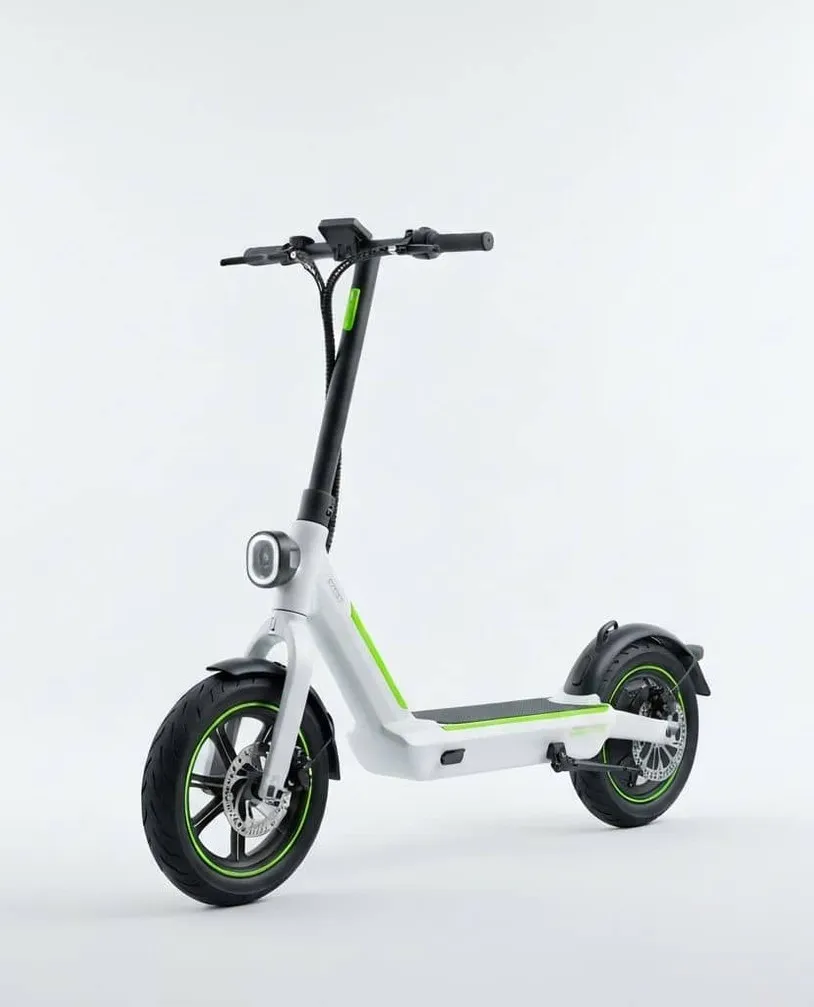
2W and 3W EVs: The Last-Mile Solution
How electric 2-wheelers and 3-wheelers are solving urban mobility challenges across India.
The Last-Mile Mobility Challenge
India's urban mobility landscape is dominated by last-mile transportation challenges. With over 1.4 billion people and rapidly growing cities, efficient short-distance travel is essential. Electric 2-wheelers and 3-wheelers are emerging as the perfect solution, offering affordable, convenient, and eco-friendly transportation for millions of Indians.
Explosive Growth of 2W and 3W EVs
The electric 2-wheeler market in India has witnessed remarkable growth. With improved battery technology, government subsidies under FAME II, and increasing fuel prices, more consumers are choosing electric scooters and motorcycles. The 3-wheeler segment, particularly e-rickshaws and e-autos, has become a lifeline for urban commuters, offering last-mile connectivity at affordable fares.
Charging Infrastructure for 2W and 3W EVs
The charging ecosystem for 2W and 3W EVs differs significantly from 4W charging. These vehicles require lower power chargers (1kW to 7kW) but need much higher density of charging points. Swappable battery models are gaining popularity, particularly for 3-wheelers, as they eliminate charging time and range anxiety. Altarbyte's 2W and 3W chargers are designed to meet the unique requirements of these vehicles.
Economic Benefits for Owners
The economics of 2W and 3W EVs are compelling. Operating costs are significantly lower than petrol vehicles, with electricity costing a fraction of fuel. For fleet operators running delivery services or taxi services, the savings can be substantial. With proper charging infrastructure and battery management, these vehicles can offer excellent ROI within 1-2 years.
Environmental Impact
The environmental benefits of 2W and 3W EVs are substantial. These vehicles produce zero tailpipe emissions, reducing air pollution in already stressed urban environments. When charged with renewable energy, their carbon footprint becomes even smaller. The transition to electric last-mile mobility is a critical step toward India's climate goals.
Government Policy and Support
The Indian government has recognized the importance of 2W and 3W EVs in the mobility ecosystem. Various state policies offer subsidies, tax exemptions, and infrastructure support. The FAME II scheme provides incentives for electric 2-wheelers and 3-wheelers, making them more affordable for mass adoption. Cities like Delhi, Bangalore, and Pune have introduced dedicated EV policies.
Challenges and Solutions
Despite the growth, challenges remain. Battery swapping infrastructure, standardized charging connectors, and financing options for fleet operators need improvement. Altarbyte is working with policymakers and industry partners to address these challenges and create a robust ecosystem for 2W and 3W EV adoption.
The Road Ahead
The future of last-mile mobility in India is electric. As battery technology improves and charging infrastructure expands, 2W and 3W EVs will become the default choice for urban transportation. With the right policy support, industry collaboration, and charging network deployment, India can become a global leader in electric last-mile mobility.
Share This Article
Related Articles
Ready to Deploy 2W/3W Charging Infrastructure?
Altarbyte offers specialized charging solutions for 2-wheelers and 3-wheelers. Get in touch to discuss your deployment requirements.
Compliance & Certification
Altarbyte products and installations are fully compliant with Indian regulatory requirements and international standards.